 Darrell Wagner
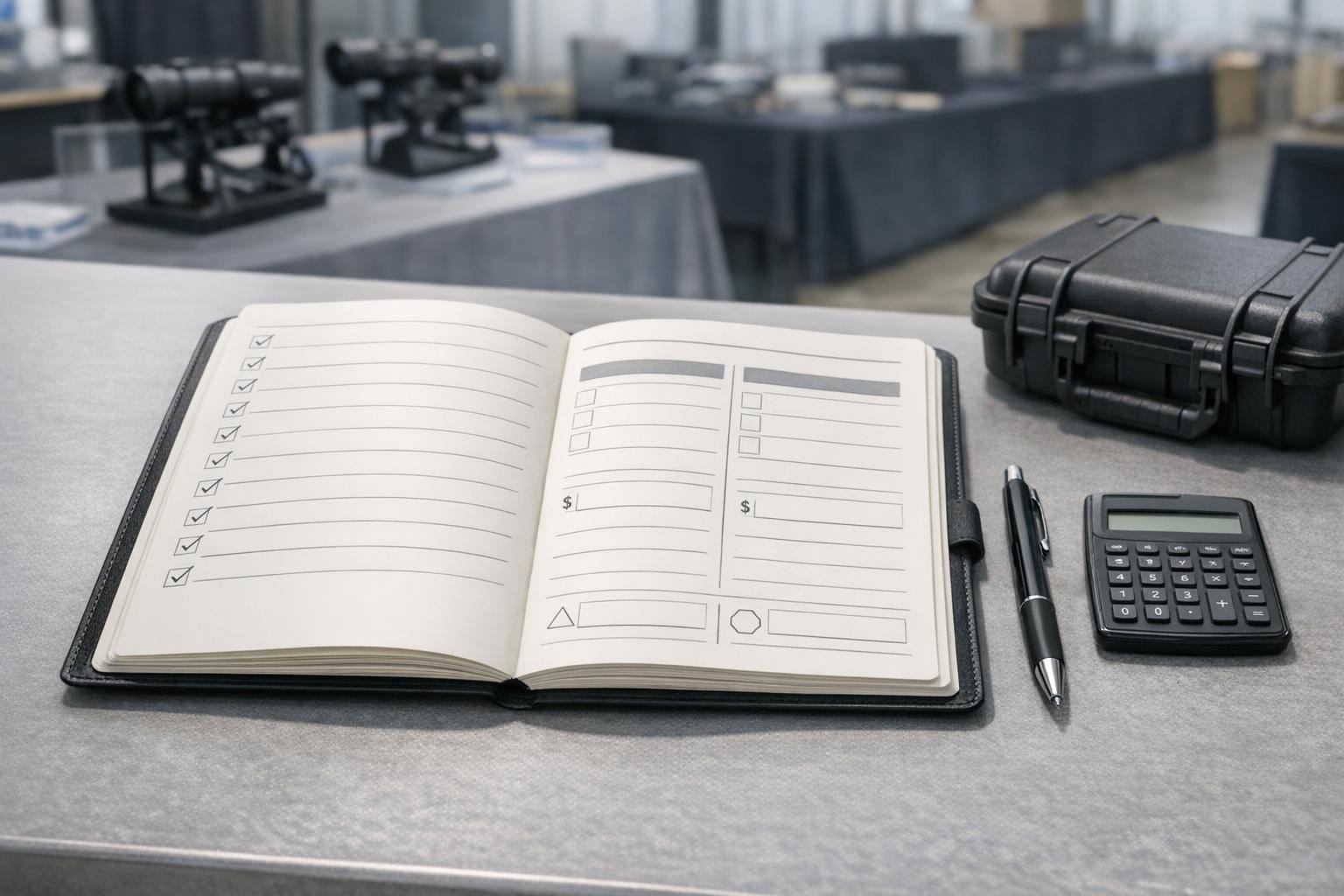
It's easy to get caught up in the excitement of a gun show and the multitude of items on display, but that does not mean that you have to buy something. In fact, the reverse is true. By going into the show with a solid shopping list, you will be much better equipped to not only stay on track and achieve your objectives but also to resist sales pressure to make purchases that may not be in your best interests. Just remember that it is perfectly okay to leave a show without making any purchases if nothing on your list ended up being suitable.
Know Your Mission
Before you walk into the Gun Show, define your purpose for attending. Are you looking to buy certain items, replace some worn out gear, searching for storage solutions or just trying to gather info on a certain firearm? Stating your purpose before entering will be very helpful in keeping you focused on your goals. If necessary, write down your objectives before attending.
Try to simplify your wish list by grouping the various points into three types of requirements. This will facilitate the process of decision-making as you search from booth to booth at the Gun Show.
– Must-Have: Essential items that require immediate attention.
– Conditional: Tools or accessories that are nice to have if certain conditions are met.
– Nice-to-Have: For those items on your list that you would like to purchase but are not needed at this time.
Make a list of all the essentials you need. If your list is longer than you anticipated, perhaps you need to reevaluate your objectives. Be ruthless. High priority must-haves first. Then consider your conditional items, but only if you have funds remaining for them.
Emphasize Functionality Over Labels
Ultimately, making your shopping list is easy to do by defining your functional needs first. For example, the person looking for a safe to store firearms in would list "a safe to store firearms in" as their first requirement. This requirement would then help to determine many of the other requirements to define the perfect firearm safe for the shop to show. Such as; Require a lock, safe should be large enough, powered by, is UL rated, open easily, and more. Space is allowed on the list to note preferred brands and any other observations made about the product being considered.
Similarly, while examining each item for consideration make a note of the necessary factors that could impact your final decision. For some items it might be to check if they are compatible with your existing guns or if they would be used for hunting. For others, you might want to verify if they are handed for left or right handed shooters or if they are in excellent physical condition. Be sure to clarify a seller's return policy or warranty terms as these can vary greatly from one retailer to another.
Set Your Financial Boundaries
Set a budget beforehand. That means more than just the purchase price of a product. Try to guess taxes, shipping, a safe for the closet, additional accessories, maintenance items, and all sorts of services and lessons a newbie might require. That is your overall budget for show time.
Further, make sure you can tell important from less important expenditures. One rather simple rule: strictly adhere to your previously fixed walk-away price even if somebody tries to negotiate below that price. Make sure you are not lured by promises of low prices for stuff that is not on your must-have list by adapting your spending budget for must-haves downward.
Prices may drop during the show, but a sale is irrelevant to you if the item does not meet your needs or remain within your budget.
Record Keeping is Key
Use a notepad to list important details such as the price of a product and its features. After some consideration take some time to think about your options, if needed ask the seller for some time to consider your offer when you are away from their stand. Take your time and collect the information you need in a thoughtful manner.
Create a Firearm Acquisition Checklist
Make a detailed checklist to consider when buying a firearm (if that is what you are after) to identify all the important aspects to consider such as identity verification requirements, condition, fit for purpose, included accessories and required documentation.
– Identity Verification Requirements
– Condition Inspection
– Fit for Purpose
– Included Accessories
– Documentation Needs
In different regions, you will find that different laws apply, and if you rely solely on information provided by the seller, you might miss out on important information. It is therefore recommended to contact local authorities in advance to verify the current laws and regulations on acquisition of firearms.
Be wary of visible wear & tear (such as scratches), missing parts, signs of previous repair and be prepared to walk away if in doubt seek an expert's opinion before offering a lower price to try and purchase.
Ensure all provided accessories are referenced in the specification and are verified with the manufacturer as suitable alternatives. Verify what packaging and paperwork will be provided with the firearm and keep these items for a suitable period of time post-purchase.
Ask the Right Questions
Make a shopping list for what you need to negotiate and ask the seller for written confirmation of what will be included in the sale, any modifications, and the seller's return policy in case something doesn't work out.
Be wary of ' guarantees ' regarding the performance, rarity or potential for investment of a firearm, as these can often be hard to verify in the midst of a show and are often used to get people to make impulse purchases that they will later regret.
Second hand guns may have signs of wear and tear; they may have had odd repairs or even components changed by previous owners. Some blemishes are acceptable, but often hidden problems or safety defects are uncovered that one would have otherwise overlooked. If one finds themselves justifying too many potential problems with a used gun then it may be wise to look elsewhere.
Plan Your Exit
Creating an exit strategy for your shopping is equally important as remembering what you found. This can be as simple as listing the maximum price you are prepared to pay, requiring proper documentation to be provided, not being pressed into buying something, and the item fulfilling your purpose. Sticking to these conditions can be hard but is in your best interest.
It's hard to resist the urge to make a snap decision on impulse buy items however give yourself time to consider and ask yourself the question would you still want this item at the end of the show. Relationships with products that deliver immediate gratification rarely have good end results.
Lastly, it is essential to note that not buying anything in the show does not mean you have failed. You can gain lots of insights and have lots of questions answered, in addition to really finding out what you want and need in the future. Take your notes home, go through them, refine your way of thinking and use your new found insights to update your list for your next trip out to look for a firearm. The objective of going to a show is to purchase a firearm of course, but also to have fun and to make sure that you make a rational purchase as opposed to an impulsive one.