 Darrell Wagner
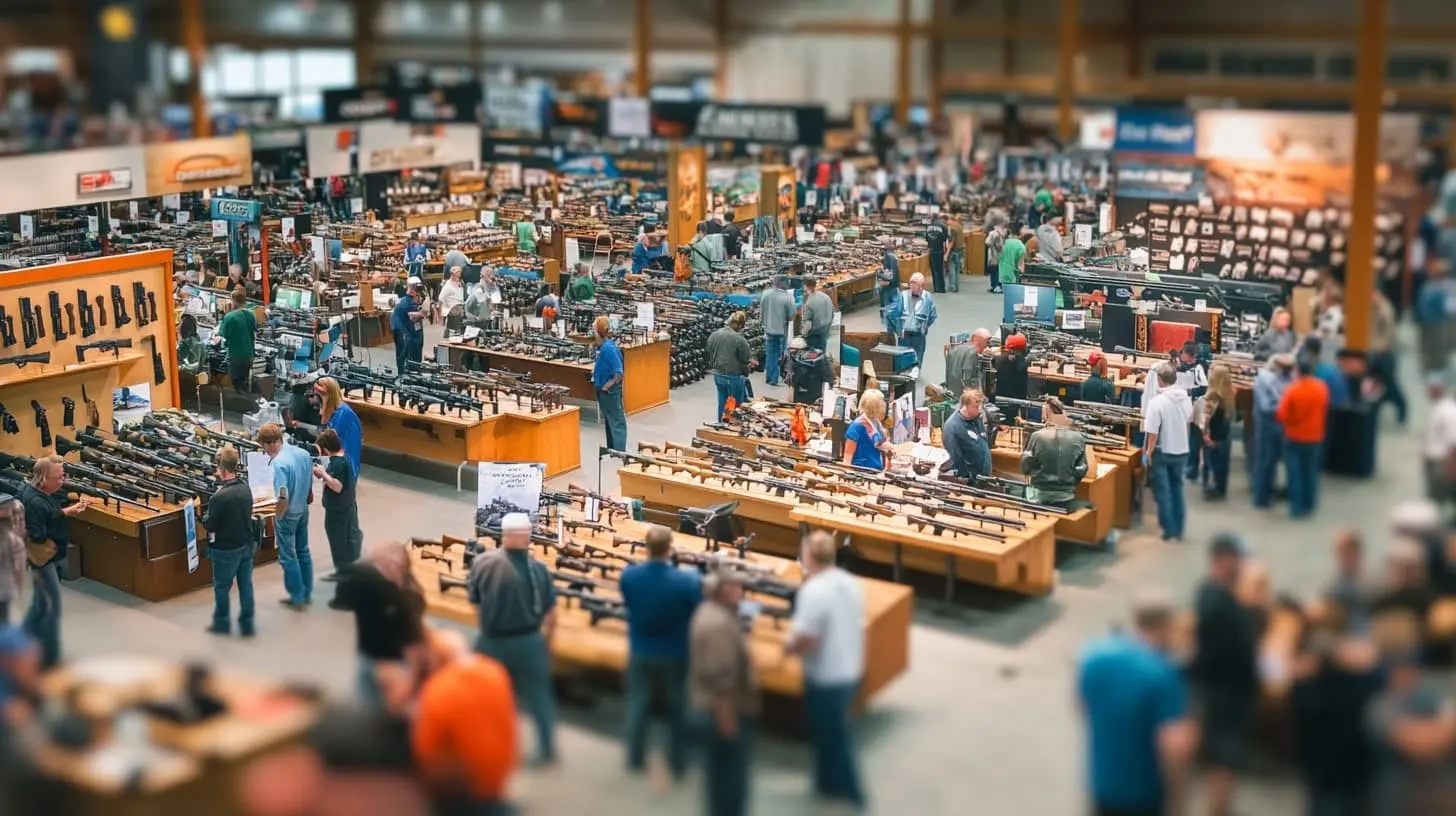
A busy event, not time and a great deal can make a purchase feel like you need to act fast. This is how someone might buy a gun or some gear without checking how it fits how it works, if it is allowed by law or what it will cost to get it ready to use. Good planning for a gun show means going in with an idea getting information about different options and not buying unless it still makes sense after thinking it over carefully.
Decide what you really want to buy
Start with a short written list instead of just planning to "look around." Figure out what kind of item you need, how you will use it legally what features you need and what you can live without. Comparing a gun, a hunting rifle, a safe or some protection gear involves different choices so don't mix them up.
Separate the things you must have from the things you just like. A good way to handle it the size, parts that work together and a condition you can check may be important. A certain look, a mark or an extra part may just be nice to have. This helps when a seller offers something that looks good but doesn't match your plan.
Do some research before you go. Think of online ads and what people say as just the start. Check the manufacturers details if things work together and any safety warnings from trusted places. If you can't explain why the item fits your needs keep looking of buying right away.
Set a budget that includes what comes next
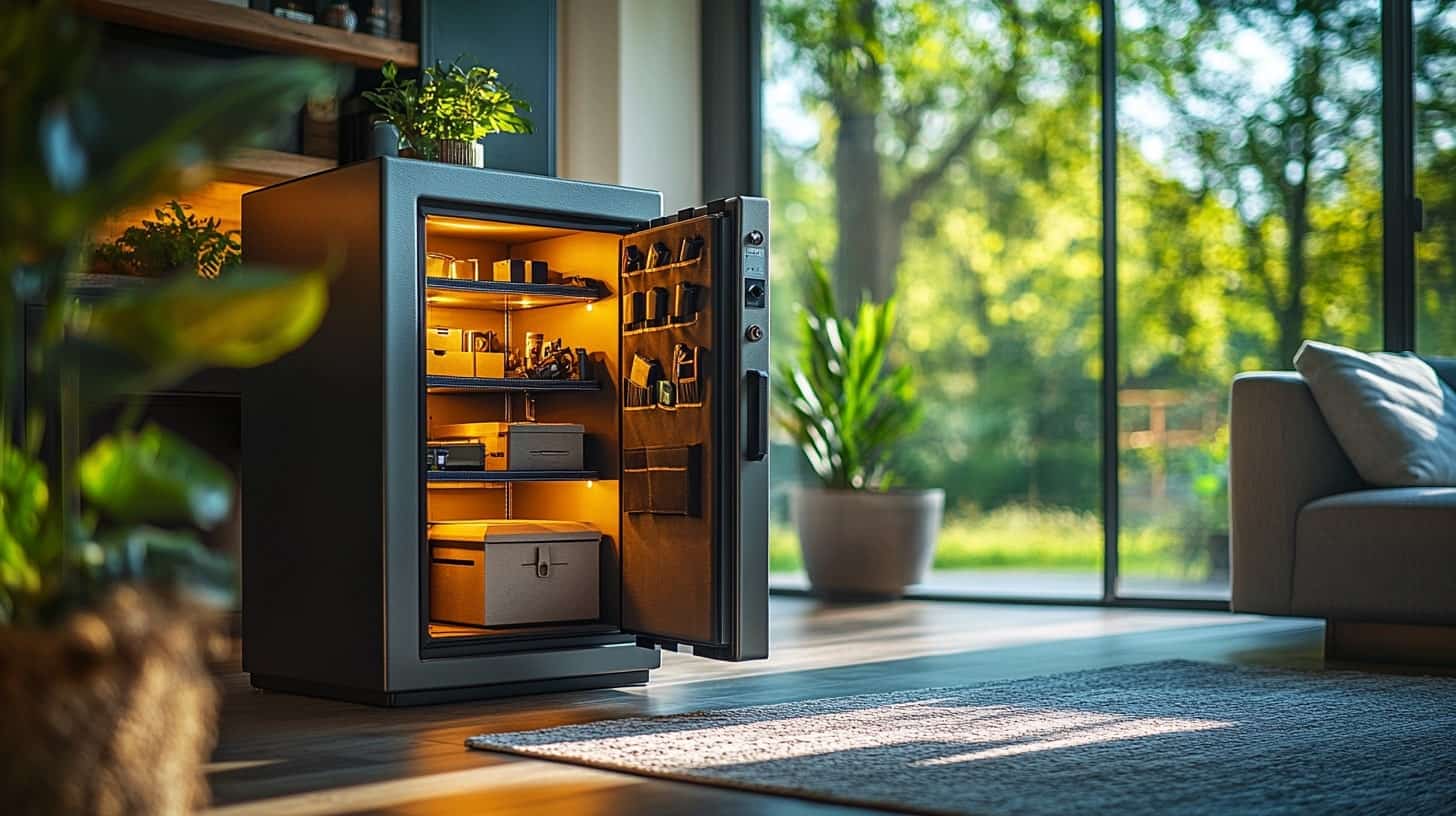
Your budget should cover more than just the price of the item. Make sure to include the cost of moving it taxes safe storage, the right bullets, protection for your eyes and ears cleaning stuff and maybe a class. The costs depend on what you're buying, where you live and what you already have so don't trust just one guess.
Set a limit on how you are willing to spend and a separate amount for things you don't really need. Don't let a good deal use up money you meant for storage or other important things. A low price isn't a deal if the item needs fixing doesn't have the right parts or needs extra things you didn't plan for.
Money, cards and how to pay can be different at each event and with each seller. Check the places rules before going and ask each seller what they accept. Be careful about feeling like you need to act something may be rare but that doesn't mean it's right for you.
Check the item before you talk about the price
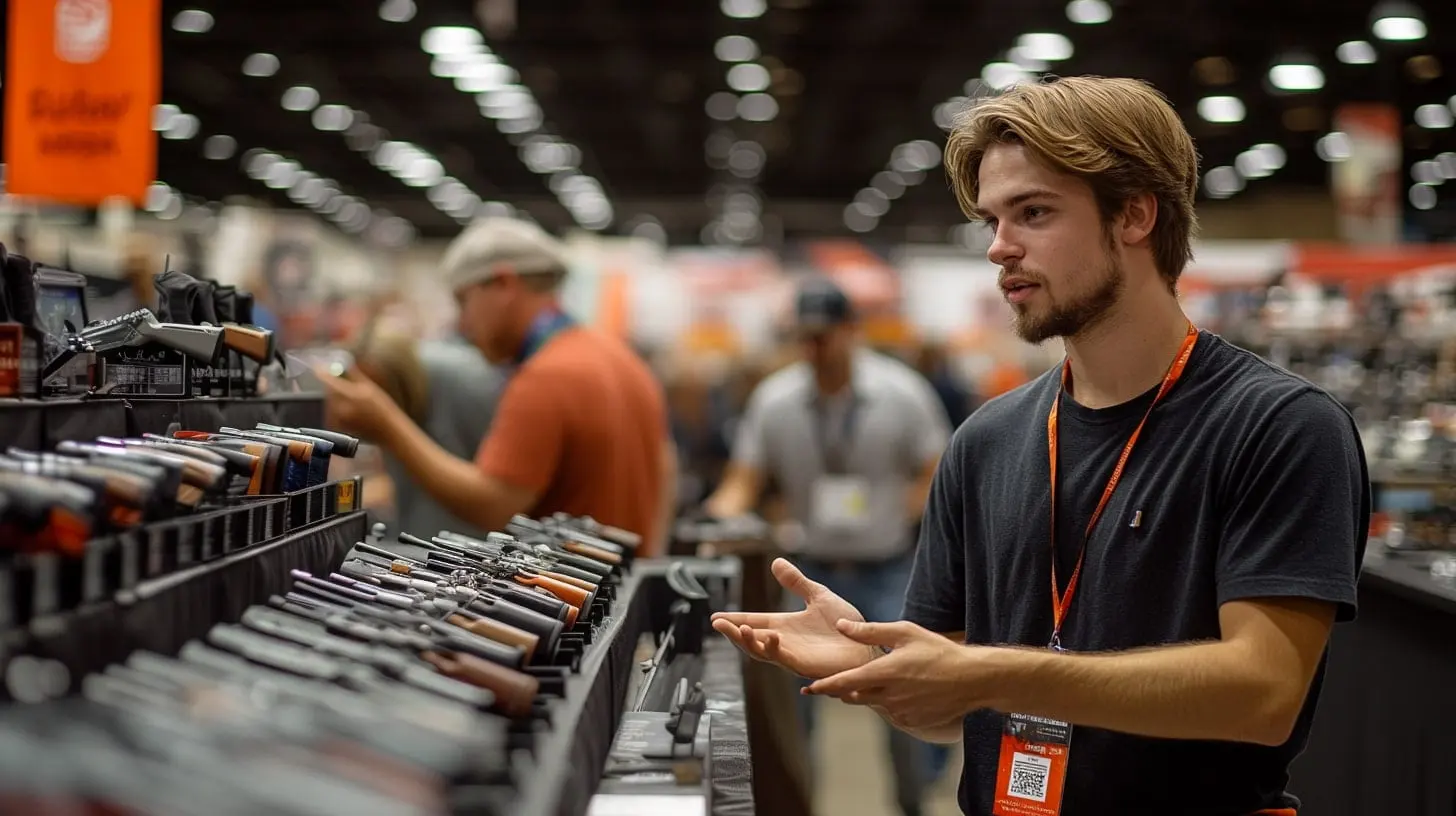
Check the guns and with respect. Follow the rules for handling them ask the seller before you touch anything and keep the front of the gun pointing safe. Always treat every gun as if it is loaded until a trained person says otherwise. If you don't know the model don't try to use it or check how it works by yourself.
Start with the look. Look for much damage, rust, broken or wrong parts, loose pieces, strange changes and signs of not being taken care of. With a gun ask the seller what they know about its past if parts have been changed and if the number and marks are clear and match. Not knowing doesn't mean the seller is lying. It should change how much you are willing to pay and how much you want to go ahead.
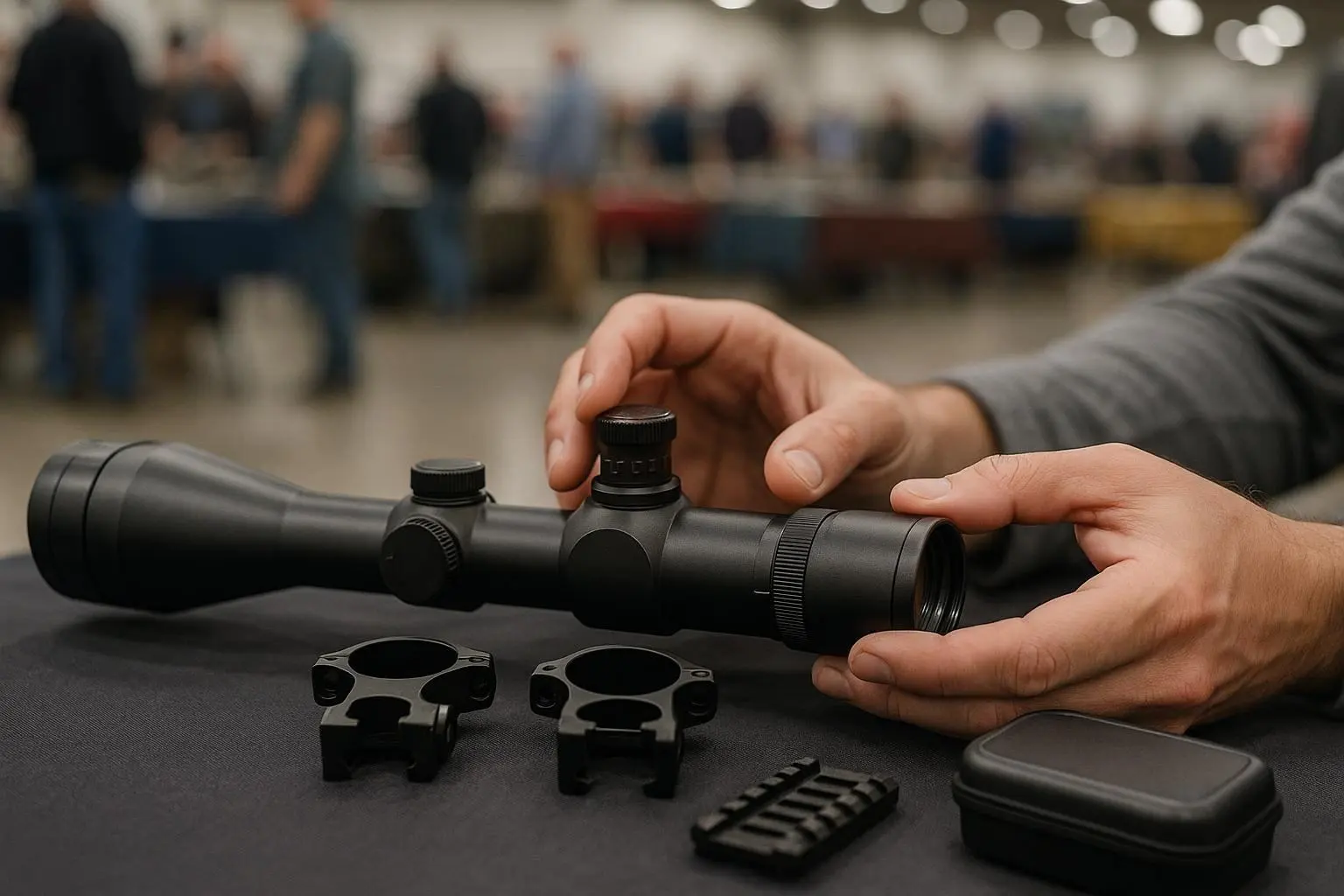
How it. How it works is just as important as how it looks. Can you reach the controls without changing how you hold it? Does the weight and balance work for what you need it for? Are parts, magazines and other needed things easy to get ? If you can't tell if it's in shape stop and get a professional to check it instead of trying to figure it out on the spot.
Keep the deal legal and keep records
Rules for buying guns passing them on getting permission waiting times and who can buy them are different in each place and can change. Buying from a person, a store or across state lines can have rules. Check the rules with the right people before the event and talk to a licensed seller or a lawyer if you are not sure.
A gun show doesn't mean you don't have to follow rules. A good seller should explain the way to do it give the right papers and stop if there is a question. Never agree to hide what you are buying skip a check you need or take the item in a way that breaks rules.
Keep your receipts the papers about the transfer and any info about the item. How you take it home and keep it can be different so learn the rules between where you're where you go. If you are traveling check all the places you pass through of just thinking it's okay where you live.
Use a yes-or-no checklist
Before you pay step back and ask:
– Does the item match what I planned to buy?
– Have I checked how it looks what it is and what comes with it?
– Do I know the total cost, including extra things and the cost to get it right?
– Can I keep it and take it home safely and legally?
– Have I looked at at least one other good choice?
– Am I buying because it fits my plan or because someone made me feel like I should?
If any answer is not clear wait. Write down the name, model, details and seller contact info if you have it then think it over away from the part of the event. A good chance may still look good later; a rush usually feels less important once the noise and selling talk are gone.
The same way works for gear. Check the glasses for damage make sure they fit with what you have check the protection gear for how it fits and looks and ask if you can return it or get a guarantee. The place might not let you try things out take pictures bring bags or handle items so check the rules before going. Follow the staffs directions.
A good visit is not about how much you take. For people, to this the real win might be a better list, a clearer idea of what the law says or the choice to wait for the right item and info. That is value too. It helps protect your money and your duties.